
For decades, Manhattan’s luxury real estate market was defined by one primary metric: size. Bigger apartments, higher ceilings, and more prestigious addresses were often viewed as the ultimate indicators of value. Today, however, a noticeable shift is taking place. Luxury buyers are increasingly prioritizing lifestyle, wellness, technology, and long-term livability over sheer square footage.
The pandemic fundamentally changed how people interact with their homes. Properties are no longer viewed simply as places to sleep after work—they’ve become offices, gyms, entertainment spaces, and personal sanctuaries. As a result, buyers are asking different questions. Instead of focusing solely on the number of bedrooms, they’re considering natural light, outdoor space, air quality, flexible layouts, and building amenities that support everyday living.
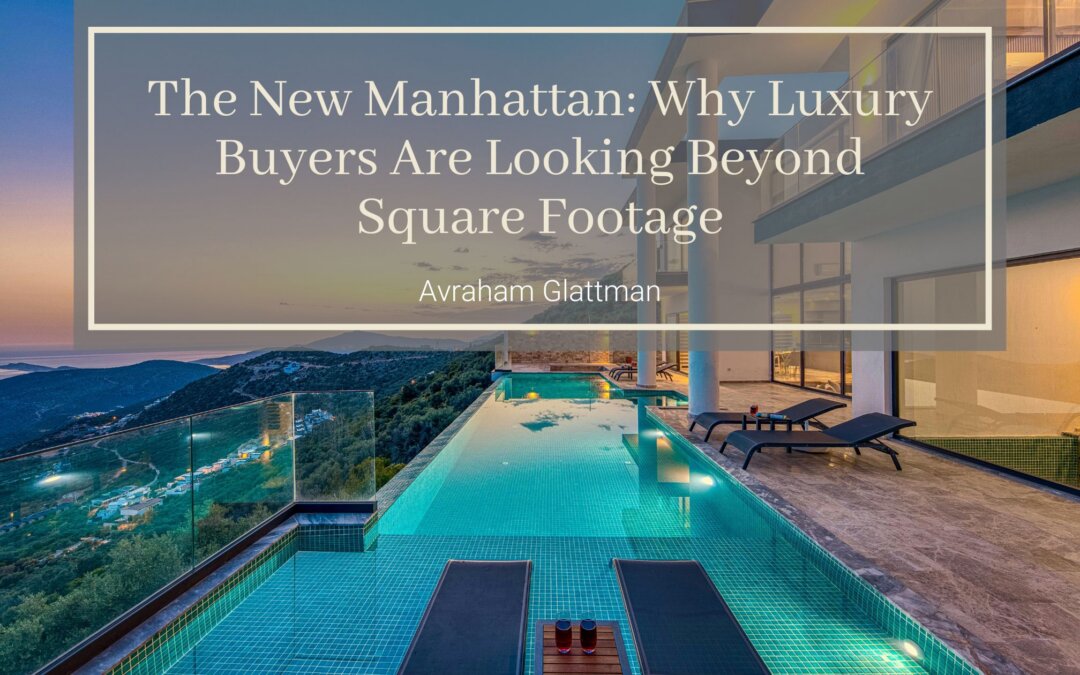
Private outdoor areas have become one of the most sought-after features in New York City. Balconies, terraces, rooftop gardens, and private courtyards are commanding premium prices because they provide a rare connection to nature in one of the world’s busiest cities. Even relatively modest outdoor spaces can dramatically increase a property’s appeal.
Technology is another driving force behind today’s luxury market. Smart home systems that control lighting, climate, security, and entertainment are no longer considered high-end extras—they’ve become expected features. Buyers appreciate homes that offer convenience, energy efficiency, and enhanced security through integrated technology.
Building amenities have evolved significantly as well. Fitness centers remain popular, but today’s buyers are also seeking wellness lounges, meditation rooms, coworking spaces, private dining areas, golf simulators, wine storage, pet spas, and children’s playrooms. Luxury developments are creating entire lifestyle ecosystems that reduce the need to leave the building for daily activities.
Neighborhood preferences have also diversified. While iconic locations like Tribeca, the Upper East Side, and Central Park South remain highly desirable, neighborhoods such as NoMad, Hudson Yards, the Financial District, and parts of Brooklyn continue attracting buyers looking for modern developments and vibrant mixed-use communities. These areas often combine luxury residences with exceptional dining, shopping, and entertainment within walking distance.
Sustainability has become another major consideration. Environmentally conscious buyers increasingly value energy-efficient buildings, LEED-certified developments, green roofs, electric vehicle charging stations, and advanced water conservation systems. Developers are responding by incorporating environmentally responsible design without compromising luxury.
Investment potential remains an important factor. New York City’s global appeal continues to attract domestic and international investors who recognize the city’s resilience. While market cycles naturally fluctuate, Manhattan real estate has historically demonstrated remarkable long-term strength. Buyers today are balancing emotional lifestyle decisions with careful financial analysis, seeking properties that offer both enjoyment and appreciation potential.
Design trends have shifted toward timeless sophistication rather than excessive opulence. Clean architectural lines, premium natural materials, custom millwork, oversized windows, and flexible living spaces appeal to buyers seeking elegance without unnecessary extravagance. Homes that adapt easily to changing lifestyles often command stronger demand than highly customized layouts.
Working with experienced real estate professionals has become more valuable than ever. Understanding neighborhood dynamics, building reputations, future development projects, and pricing trends requires local expertise that extends far beyond online listings. Skilled agents help buyers identify opportunities before they become widely recognized.
Ultimately, today’s Manhattan luxury market reflects changing priorities rather than changing budgets. Buyers still appreciate exceptional craftsmanship and prestigious addresses, but they increasingly value homes that support wellness, flexibility, sustainability, and everyday comfort. In one of the world’s most competitive real estate markets, luxury is no longer measured solely by square footage—it’s defined by quality of life.